
Teachings
Welcome to our Teachings section!
Here, we explore the foundational truths of the Christian faith. We believe the Bible is God’s inspired, authoritative Word, revealing everything essential about God, humanity, and salvation. Dive in to deepen your understanding of Christianity.
Key teachings
Welcome! Here are the essential, life-changing truths that form the foundation of Christianity.

The Nature of God
Attributes like omnipotence, omnipresence, holiness, and love.
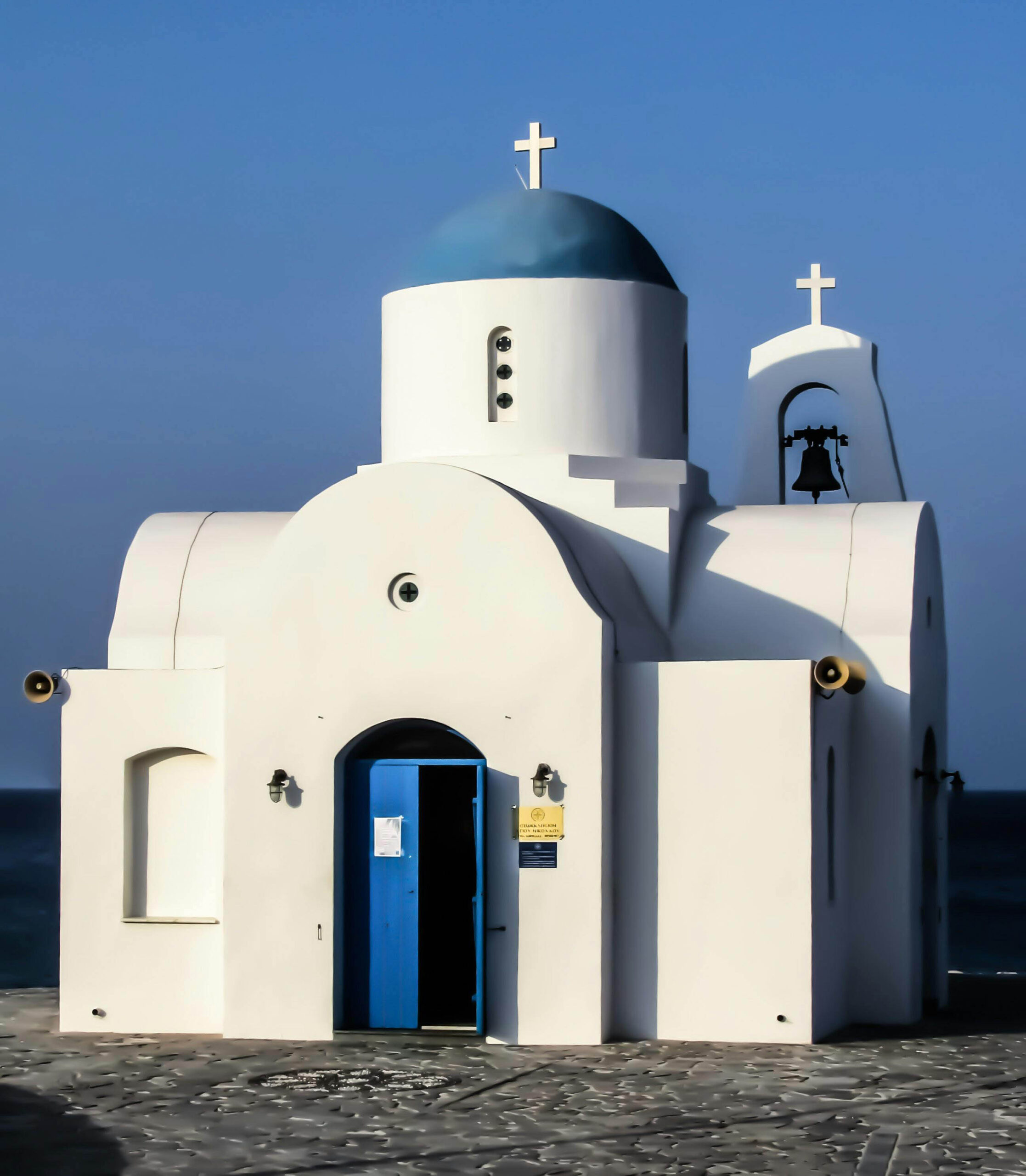
The Church
Its purpose, community life and mission on Earth.

Sin & the Fall
The origin of sin, its consequences (separation from God), and the condition of humanity.
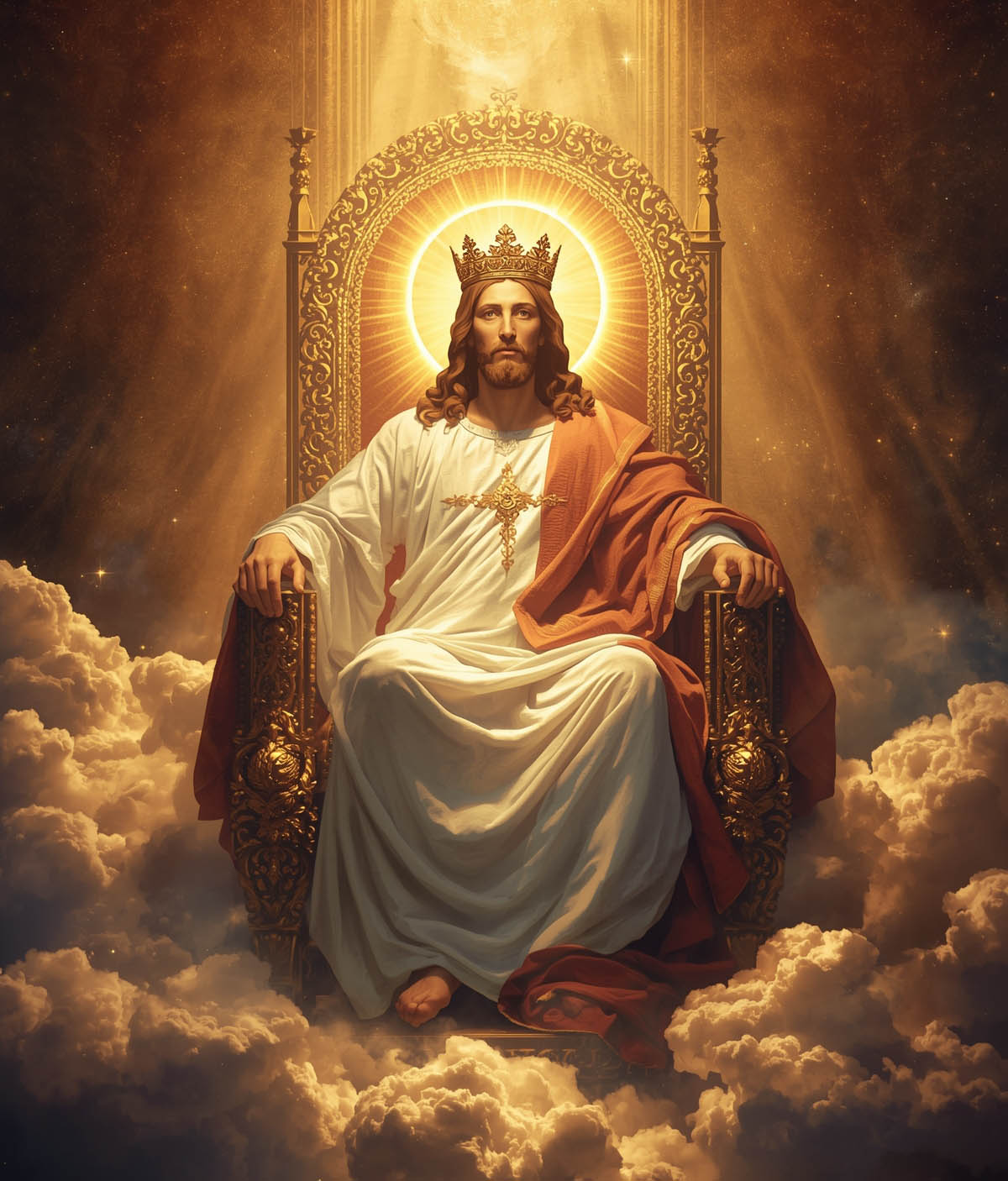
Eschatology
Teachings on the Second Coming of Christ, Heaven, Hell, and the new creation.
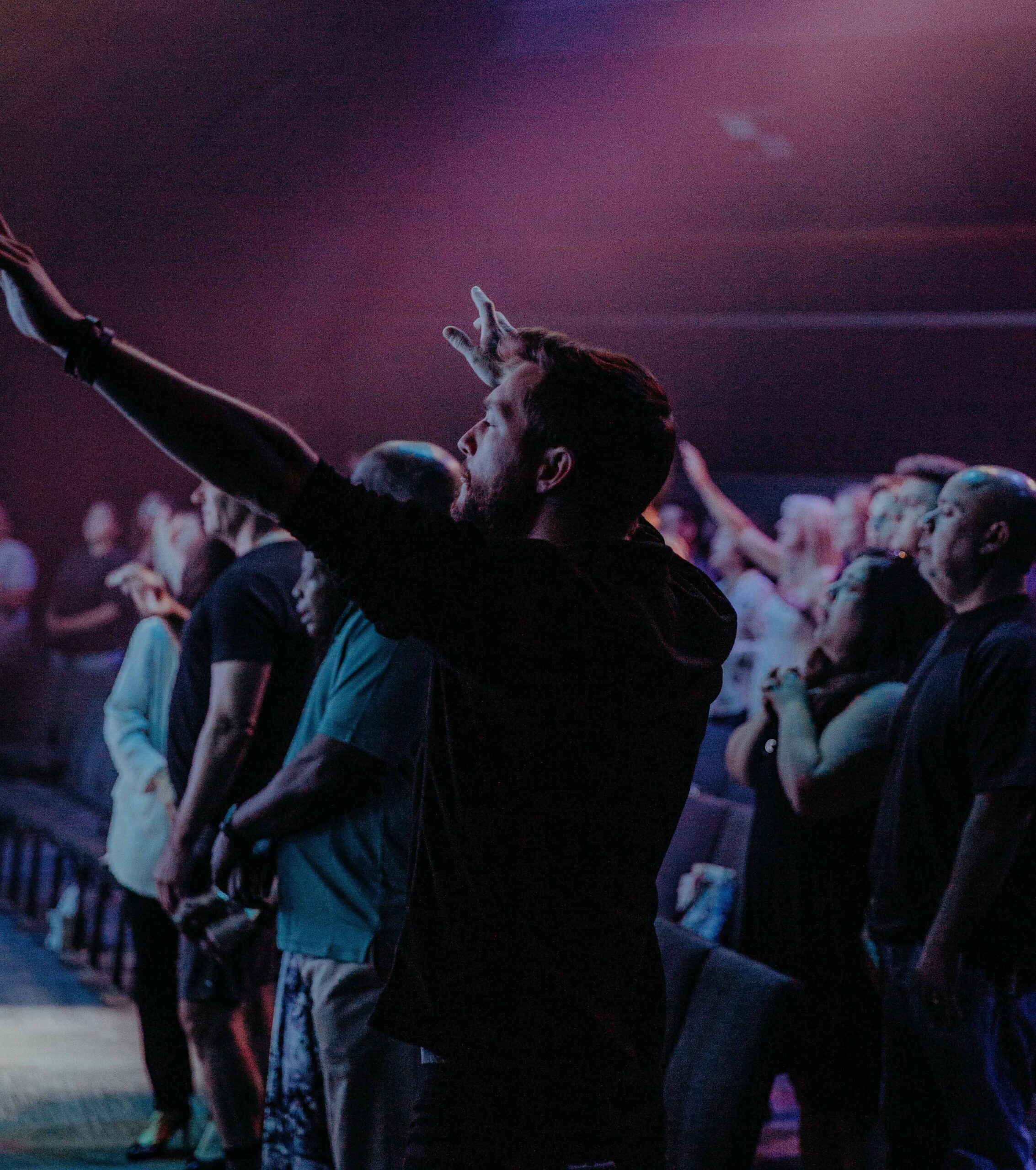
Prayer & Worship
Practical teaching on communication with God

Restoration
Restoration is the journey of healing and making all things new through the power of Christ
The Nature of God
Beyond His existence as the Trinity, we seek to understand God’s essential character. Scripture reveals Him as omnipotent (all-powerful), omnipresent (everywhere), and omniscient (all-knowing). He is the Alpha and the Omega, the beginning and the end. He is forever consistent, remaining the same yesterday, today, and forever.
A profound revelation of God’s character occurred when Moses met Him on Mount Sinai (Exodus 34:6-7) God proclaimed His own name, revealing attributes that shape our relationship with Him:
- The Lord, the Lord The self-existent, covenant-keeping God.
- Merciful and Gracious: Showing compassion and undeserved favor.
- Slow to Anger (Long-suffering): This means God is immensely patient, not quick to unleash judgment, but gives people time to repent.
- Abounding in Steadfast Love and Faithfulness: His loyal, covenant love endures through generations.
- Forgiving: He pardons iniquity, transgression, and sin.
- Just: Yet, He is holy and will by no means clear the guilty, holding all accountable for their actions.
Studying His unchanging attributes and His revealed heart deepens our worship and trust in our Sovereign Lord.

The Church
God’s Community, Identity, and Mission
The Church (from the Greek ekklesia, meaning “the called-out ones”) is not primarily a physical building, but the universal community of all people who believe in Jesus Christ as Lord and Savior. It serves as God’s primary agent on Earth, with a defined purpose and mission.
Core Identity and Purpose
The identity of the Church is defined by its relationship to Christ and its function in the world:
A New Temple: The Church is the collective dwelling place of the Holy Spirit on Earth, emphasizing its holy calling and purpose (Ephesians 2:19-22).
The Body of Christ: The Church is metaphorically called the Body of Christ (1 Corinthians 12:27}, with Christ as the head. This signifies unity, diversity (each member has a role), and absolute dependence on Him for direction and life.
The Bride of Christ: This metaphor highlights the Church’s intimate and future relationship with Christ. It points to the ultimate, eternal union and the Church’s calling to purity and readiness for His return (often referenced in Revelation).
Worship and Fellowship: The fundamental purpose is to gather for worship, offering praise and honor to God, and for fellowship—mutual encouragement, teaching, and support among believers.

Universal vs. Local Manifestation
The Church exists in two related forms:
- The Universal Church (“Invisible”): This refers to the entire body of believers across all time and space, known only to God. It is eternal and transcends human organization.
- The Local Church (“Visible”): This refers to an individual, organized congregation of believers who gather in a specific location for worship, fellowship, teaching, and mission.
Despite the vast number of local expressions, the Bible stresses the unity of the Church in Christ (1 Corinthians 12:12).
Mission on Earth
The Church’s mission is summarized by both the Great Commission and the Great Commandment:
- Share the Gospel (Evangelism): To proclaim the good news of salvation and make disciples from every nation (Matthew 28:19-20).
- Build Up Believers (Discipleship): To teach, equip, and encourage members to grow in their faith.
- Serve the World (Social Action): To demonstrate God’s love by meeting practical needs, seeking justice, and serving neighbors, which honors the command to “love your neighbor as yourself” (Matthew 22:39).
Community Life: Ordinances
Christian community life is visibly expressed through two ordinances (sometimes called sacraments) instituted by Christ:
- Baptism: A public act symbolizing a believer’s identification with Christ’s death, burial, and resurrection. It is the initiation rite into the visible Christian community.
- Communion (The Lord’s Supper): A communal, repeated act of remembrance using bread and wine to proclaim Christ’s atoning sacrifice on the cross until He returns (the Marriage Supper of the Lamb).
Sin & the Fall
The Brokenness and the Bridge: Sin and The Fall
God originally created humanity in perfect relationship with Him. The Fall refers to humanity’s first act of disobedience (Genesis 3), which fractured that original perfection and introduced brokenness into the world.
What is Sin? Sin is not just a list of bad deeds; it is the fundamental condition of missing God’s perfect standard and turning away from Him. It is anything that separates us from a holy God.
The Consequence: The result of sin is spiritual death—separation from God (Romans 6:23). This brokenness affects every part of our lives and our relationships.
The Bridge: Because we cannot repair this broken relationship on our own, God provided the only bridge back to Him: Jesus Christ (Romans 5:8).
New Life: Identity, Community, and Mission
When you accept Jesus, you receive a new life and a new purpose.
- Identity in Christ Your identity shifts from being separated to being fully embraced. Your value is no longer based on your performance, but on Christ’s sacrifice.
- Adopted: We are brought into God’s family and adopted as His children (Galatians 4:5).
- Forgiven and New: We are completely forgiven and are made into a new creation (2 Corinthians 5:17).
- Called: We are known as saints (holy ones) and heirs to God’s eternal kingdom.
God’s Community (The Church)
The Church (or ekklesia—the called-out ones) is the universal family of all believers.
Support: It is the place for worship, fellowship, mutual encouragement, and growth in faith.
Mission
Our mission is the practical application of our new identity and faith. It is defined by two commands:
- Love God and Love People (Matthew 22:37-39).
- Witness: We are called to live transformed lives that reflect God’s love to the world, actively serving others and sharing the good news (the Gospel).
Eschatology
The Doctrine of Last Things
Eschatology is the branch of systematic theology concerned with the final events of history, the consummation of God’s redemptive plan, and the ultimate destiny of humanity. It is not merely a study of the future but a vital character study of God Himself—His faithfulness, His justice, and His triumphant sovereignty over time.
Key Revelations of Eschatology
Eschatology centers on the Second Advent of Christ and the glorious final state, revealing God as:
The Sovereign Finisher: He is the ultimate author and director of history, ensuring that every prophetic word is meticulously fulfilled. His plan will not be thwarted; it will conclude precisely as He has decreed, culminating in a New Heaven and a New Earth.
The Righteous Judge: Scripture reveals a final judgment (Hebrews 9:27) where all—both living and dead—will stand before Christ. This event underscores God’s absolute holiness, ensuring that every act of injustice will be rectified and every person will be held accountable for their deeds (Romans 14:10-12).
The Glorious Restorer (The Hope): The prophetic message is saturated with hope. Eschatology speaks of the resurrection of the dead, the transformation of believers into immortal, glorious bodies, and the permanent eradication of sin, sorrow, and death (1 Corinthians 15:51-54; Revelation 21:4).
Profound Events Shaping Our Eternal Hope
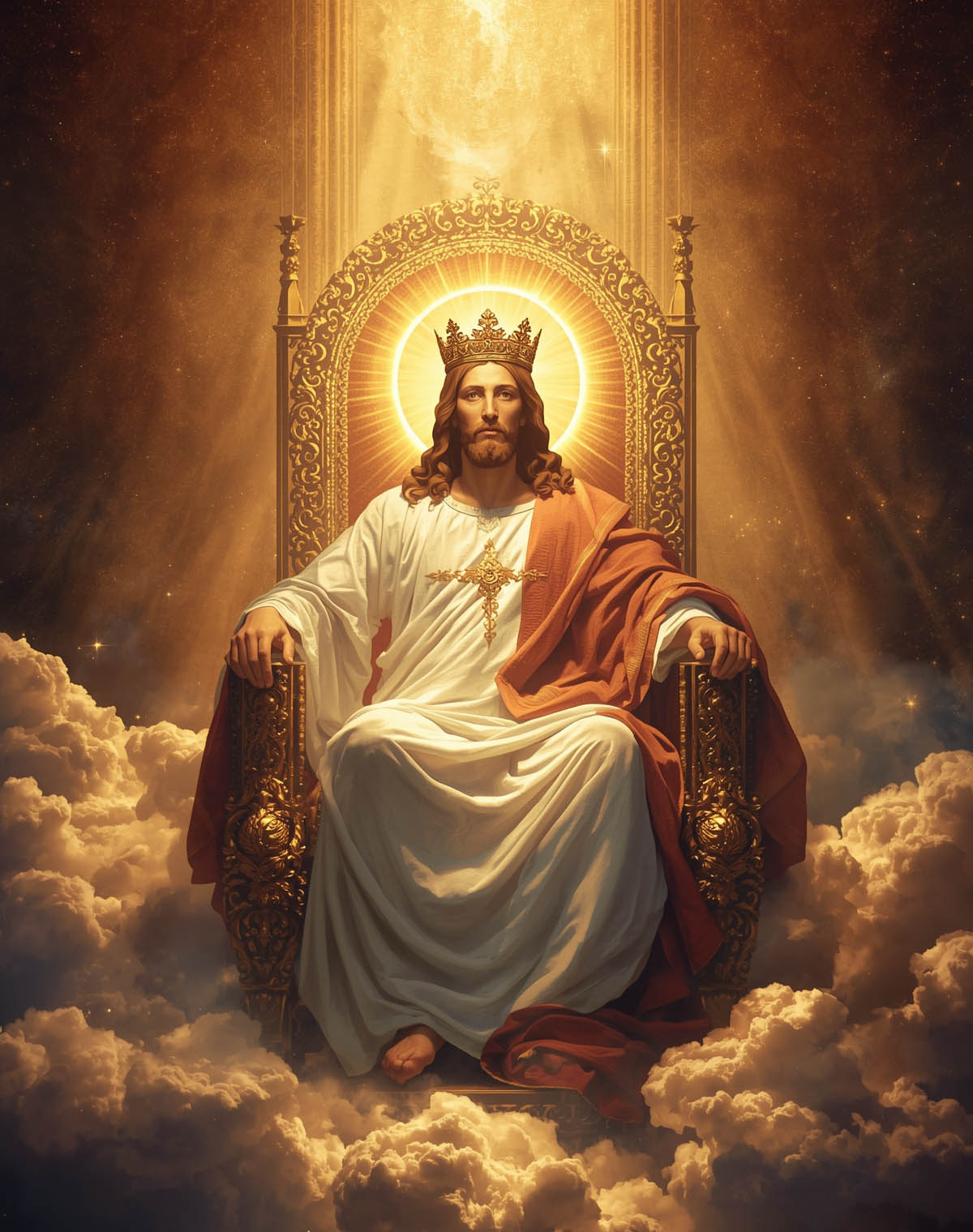
The Return of Jesus Christ
The study of last things highlights central truths that shape the believer’s life:
- The Return of Jesus Christ: This is the singular, defining event of eschatology. It will be personal, visible, and triumphant (Acts 1:11). Christ returns not as a suffering servant, but as the King of Kings to establish His eternal kingdom. This promised return motivates holy living and watchfulness (1 John 3:2-3).
The Final State (Heaven and Hell)
The ultimate destiny is two-fold. For those who trust Christ, there is eternal life in the presence of God—a state of unending joy, worship, and perfect fellowship. For those who reject Him, there is eternal separation—a solemn confirmation of God’s perfect justice.
The Reign of God
The final goal is the perfect, unhindered reign of God over all creation. In the New Jerusalem, God will dwell with His people, and the glory of Christ will illuminate the world. This is the eternal covenant established and fully realized.
Prayer & Worship
The Response to God’s Character
The Nature of Prayer: Relationship and Submission
Prayer is a divinely authorized conversation and spiritual action made possible by the Lord’s own character. It reveals God as:
- The Accessible Father: Because God is loving (1 John 4:8) and has initiated a covenant relationship, He invites us to approach Him not with fear, but as children addressing their Abba (Romans 8:15). Prayer is the lifeline of this intimacy.
- The Omniscient and Trustworthy One: We are encouraged to bring our requests and anxieties to Him because He is all-knowing (omniscient) and fully faithful to His promises (Philippians 4:6-7). Prayer is our active acknowledgment that He knows what we need before we ask, and that His will is perfect.
- The Sovereign Channel: Prayer is not begging a reluctant God, but rather aligning our hearts and words with God’s disclosed will and allowing Him to act on earth through our requests (Matthew 6:10). The purpose of prayer is ultimately to glorify God and realize His purposes, not our own.
The Nature of Worship: A Life Offered to God
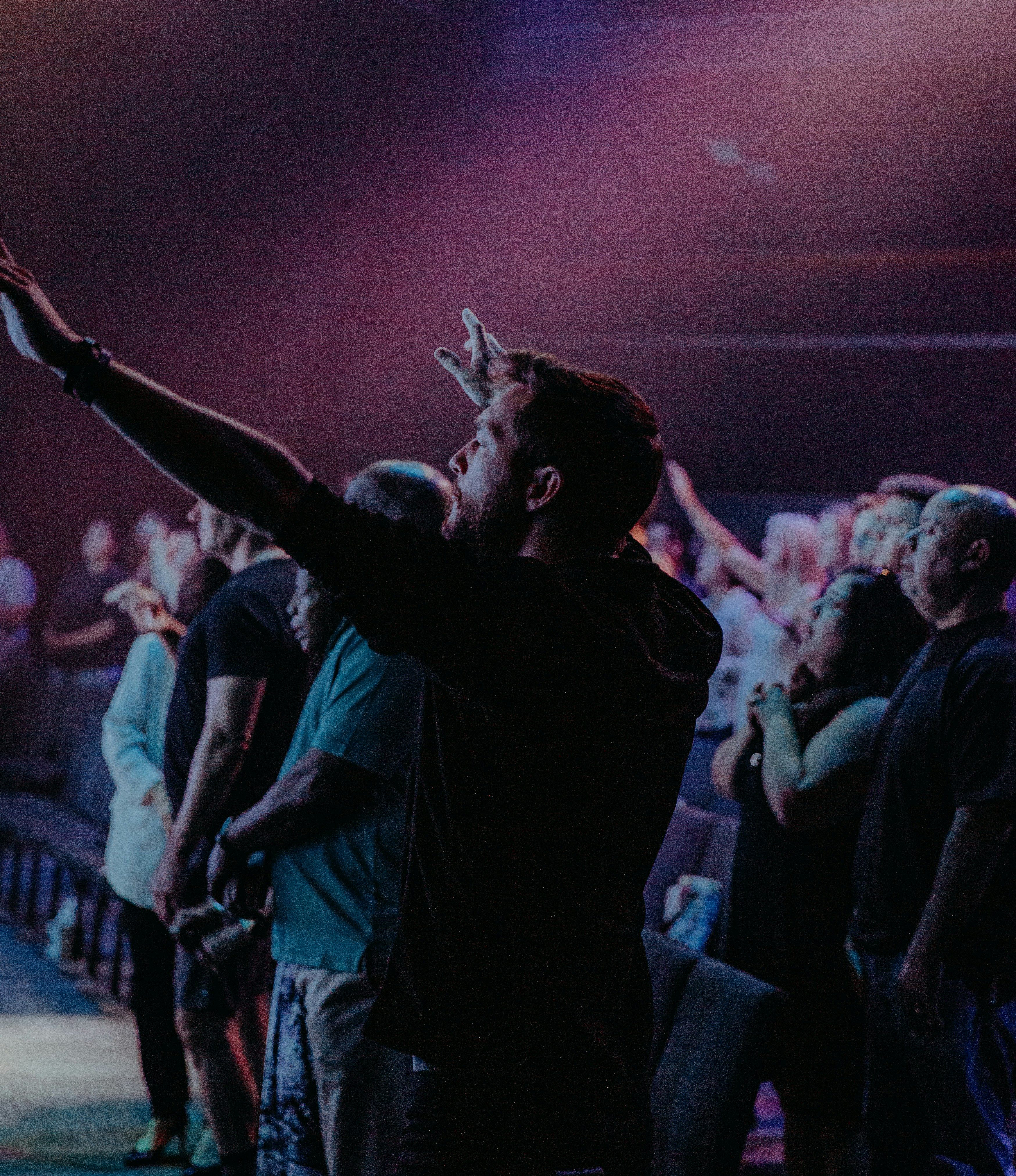
The Holy and Righteous Lord:
Worship is the total and continuous response of reverence and homage, acknowledging God’s supreme worth (worth-ship). It reveals God as:
- Worship is an awed response to God’s absolute moral perfection. True worship demands that we approach Him with humility and repentance, recognizing that He alone is worthy of all honor and praise (Psalm 99:9).
The Glorious Creator and Redeemer
The content of worship centers on praising God for His mighty acts in Creation and, supremely, in Redemption through Jesus Christ. Every hymn, prayer, and declaration of His name is an act of glorifying Him for what He has done (Revelation 4:11).
The Transforming Focus
As described in Romans 12:1, true worship is presenting one’s entire life as a “living sacrifice.” This means worship is not confined to a religious service but is the understanding service (spiritual worship) of daily obedience and mind renewal, making every action a dedication to God.
Restoration
God’s Redemptive Purpose
The doctrine of Restoration is a central, sweeping theme throughout Scripture, defined as God’s gracious and powerful act of bringing people, creation, and relationships back to their original state of wholeness, and often, even to a superior state of being. It is the counter-narrative to the brokenness introduced by the Fall, showcasing the ultimate, redeeming intent of the Almighty.The Scope of God’s Restoring Work
Restoration (from the Hebrew shuv meaning “to turn back” or “return,” and the Greek apokatastasis meaning “re-establishment”) reveals God as:
The Transformer of Loss: Restoration often transcends merely returning to the original condition. In the story of Job, after suffering devastating loss, God restored his fortunes and gave him twice as much as he had before (Job 42:10). This reveals God’s generosity and His ability to use broken experiences to bring forth greater blessing, beauty, and testimony.
The Master Healer: God’s restoration is comprehensive, addressing physical, emotional, and spiritual brokenness. He promises, “I will restore health to you, and your wounds I will heal” (Jeremiah 30:17). This shows a God whose compassion extends to the deepest human pain, moving us from sickness and sorrow toward complete well-being.
The Covenant Keeper and Rebuilder: In the Old Testament, restoration primarily involved bringing Israel back from exile and rebuilding the nation and the temple (Jeremiah 29:14). This proves God’s unwavering faithfulness to His covenant promises, demonstrating that even when His people fail, His loyal love (hesed) ensures their eventual return and renewal.
Dimensions of Restoration
Personal and Spiritual Restoration
This begins with the New Creation in Christ. Through repentance, a person is restored to a right relationship with God, receiving a “new heart and a new spirit” (Ezekiel 36:26). For the believer, it is the continual process of the Holy Spirit restoring the joy of salvation and transforming us into the image of Christ (Psalm 51:12; 2 Corinthians 5:17).
Relational Restoration
The central act of restoration is the reconciliation of humanity to God through the Cross (Romans 5:10). This divine peace-making then enables believers to pursue reconciliation with others, restoring broken relationships within the human family, often requiring forgiveness and humility (Galatians 6:1).
Cosmic and Eschatological Restoration
The final, glorious act of God is the “restoration of all things” (Acts 3:21). This is the culmination of redemptive history, where the entire cosmos—the physical creation—is freed from the bondage of decay and death, culminating in the New Heaven and the New Earth, where God’s perfection reigns (Revelation 21:5).
Restoration is thus the ultimate demonstration of God’s sovereign power to make all things new, assuring us that no life, situation, or loss is beyond His redemptive reach.

Reach out
Mail us if you have any questions or requests